There is something deeply compelling about a fireplace. Long before it became a design feature, it was the heart of the home, the place where people gathered, where the day slowed down, where warmth was both literal and felt. In contemporary New Zealand interiors, that pull has not diminished. If anything, it has grown stronger as homeowners seek spaces that feel genuinely human, layered and alive.
For those of us working in bespoke interior design, a fireplace is never just a heat source. It is an architectural statement, an emotional anchor and the starting point from which a room is built outward. The right fireplace design ideas can transform an ordinary living space into something truly memorable, a room that draws you in and holds you there.
In this article, I want to share how I approach fireplace design within a complete interior, the decisions that matter, the materials worth considering, and the ways in which a beautifully resolved fireplace can make everything else in a room feel right.
Table of Contents
-
Why Fireplaces Remain Such Powerful Features in Modern Homes
-
Balancing the Fireplace with Furniture, Artwork, Lighting and Colour
-
Designing Fireplaces for Living Rooms, Kitchens and Open-Plan Interiors
-
Why Bespoke Fireplace Design Should Suit the Personality and Architecture of the Home
Why Fireplaces Remain Such Powerful Features in Modern Homes
New Zealand winters can be quietly relentless, particularly in Wellington, Christchurch and the colder pockets of Auckland. Beyond the practical need for warmth, there is something about a fireplace that fulfils a deeper interior need. It creates a visual destination within a room, a place for the eye to settle and the body to orient itself toward.
In bespoke interior design, this matters enormously. When I begin working with a client on a living space, one of my earliest questions is whether a fireplace exists or whether one could be introduced. Not because every room needs one, but because when a fireplace is present, it fundamentally shapes how the rest of the room should be designed. It changes furniture placement, lighting decisions, the scale of artwork and the way colour moves through the space.
Good fireplace design ideas are never considered in isolation. They are part of a broader design conversation, one that takes into account how the room is lived in, who uses it, and what feeling it should evoke when you walk through the door.
Creating Warmth and Atmosphere Through Design
Warmth in interior design is not just about temperature. It is about the way materials are layered, the way light falls, the way a room invites you to stay. A fireplace contributes to all of these things at once. When it is designed well, it becomes a source of both physical and visual warmth, even on an evening when it is not lit.
The most compelling fireplace design ideas I have encountered, and those I return to in my own projects, are ones where the fireplace feels inevitable. Where you cannot imagine the room without it. That quality does not happen by accident. It comes from thinking carefully about proportion, materiality and how the fireplace relates to every other element in the space.
How a Fireplace Becomes the Focal Point of a Living Space
A fireplace earns its status as a focal point through considered design, not simply by being present. Scale plays a significant role. A fireplace that is too small for the wall it occupies can feel apologetic. One that is correctly proportioned commands attention without overwhelming.
The surround, the mantel, the hearth and the wall treatment above all contribute to how the fireplace reads within the room. These elements need to be designed together, not selected separately and then assembled. When they work in harmony, the result is a feature wall that feels cohesive and intentional, rather than a collection of unrelated parts.
I often encourage clients to think about what sits above the fireplace with as much care as the fireplace itself. Whether that is a single considered artwork, a mirror that reflects light back into the room, or a carefully arranged grouping of objects, the space above the mantel is part of the feature. It is the finishing chapter of the design.
Choosing the Right Surround Materials
Material selection is where fireplace design ideas become genuinely personal. The surround material sets the tone for the entire feature and, by extension, for much of the room. Each material carries its own character, and the right choice depends entirely on the style of the home, the existing palette and the mood the homeowner wants to create.
Natural stone is perhaps the most enduring choice. Marble, limestone and granite each bring a different quality of surface. Marble suggests refinement and quiet luxury. Limestone has an organic warmth that suits both contemporary and heritage interiors. Granite, particularly in bolder tones, brings drama and depth. I have used striking granite in several projects, and it never fails to ground a room in a way that feels genuinely robust and considered.
Exploring Surround Options: Timber, Plaster, Tile and Metal
Solid timber surrounds bring warmth and craftsmanship, particularly in traditional or cottage-style homes. Painted timber can also work beautifully in contemporary spaces, especially when the profile is clean and the finish is immaculate. The key is in the detailing. A poorly resolved timber surround can look out of place no matter how beautiful the timber itself might be.
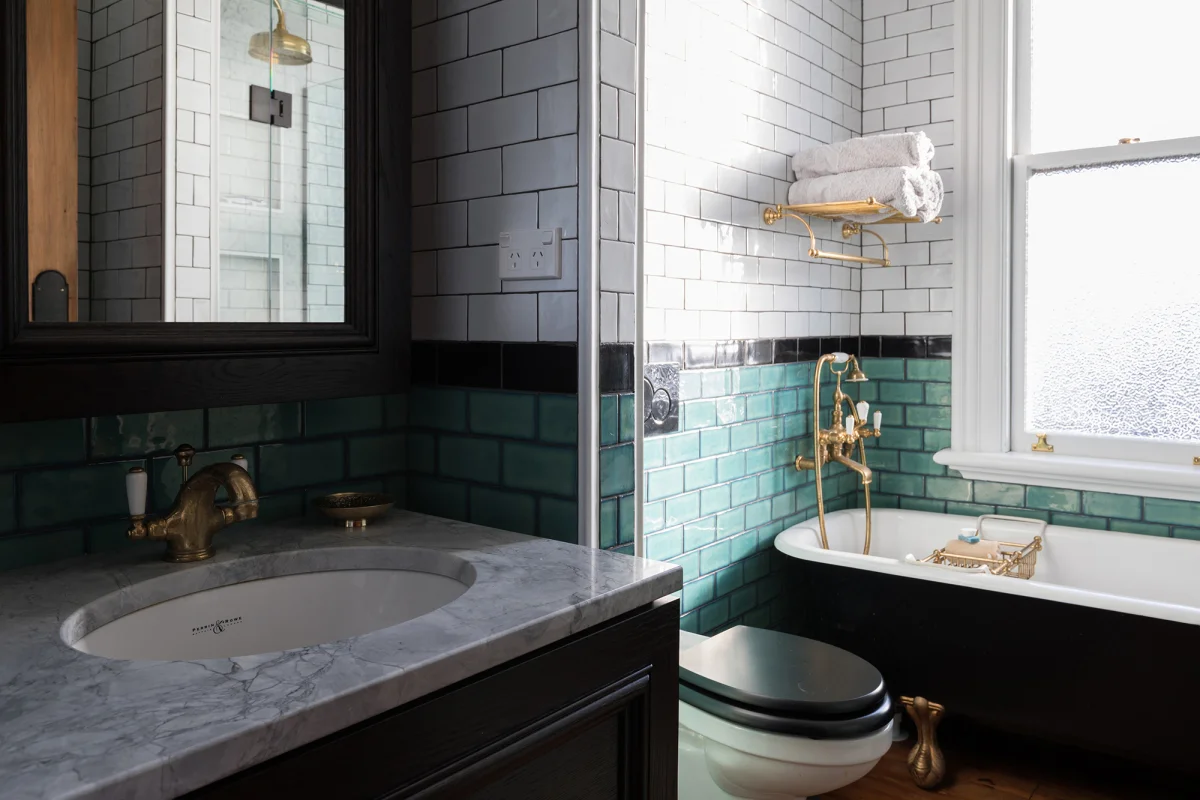
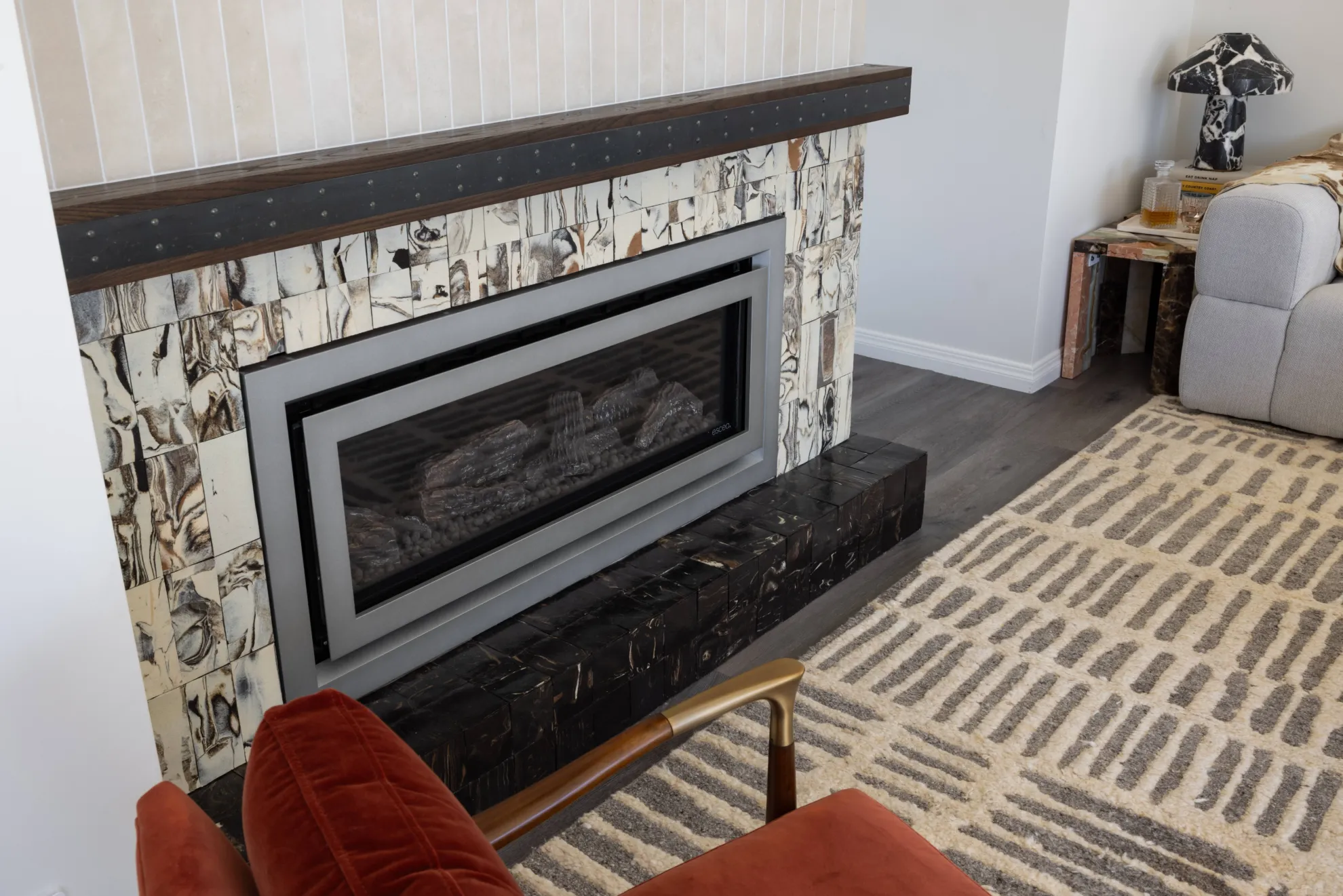
Plaster surrounds offer a quieter, more architectural quality. In homes with a modernist sensibility, a smooth plaster surround in a tone that is close to the wall can create an almost seamless effect, allowing the fire itself to become the feature rather than the frame. Tile brings pattern and history into the equation. Classic encaustic tiles, handmade ceramics or graphic Victorian-style tiles can all add extraordinary character to a fireplace, particularly in heritage homes or interiors that celebrate pattern and craft. Metal, whether in brushed steel, blackened iron or brass, works particularly well in industrial or contemporary spaces, and brings a material contrast that feels both modern and warm.
For clients designing bespoke kitchens and living environments in Auckland, the range of beautiful materials available locally, combined with the craftsmanship of skilled New Zealand tradespeople, makes the possibilities genuinely exciting. You can read more about how considered material selection transforms complete living spaces in our feature on Bespoke Kitchens Auckland Central: Beautifully Designed Spaces for the Heart of the City.
Balancing the Fireplace with Furniture, Artwork, Lighting and Colour
A beautifully designed fireplace can be undermined by furniture placement that ignores it, or by lighting that draws the eye elsewhere. This is why I always design the fireplace as part of the room, not as a separate exercise. Every decision, from where the sofas sit to where the reading lamp is placed, should acknowledge and support the fireplace as the room’s anchor.
Furniture should be arranged to create a conversation with the fireplace rather than turning away from it. In most living rooms, this means orienting the primary seating toward or alongside the fire, creating a zone that feels intentional and comfortable. Rugs can help define this zone and anchor the furniture grouping in a way that feels cohesive.
Lighting is equally important. Recessed lighting above the fireplace can wash the surround material beautifully. A pair of wall sconces either side of the chimney breast adds symmetry and warmth. Candlelight and table lamps near the seating zone soften the overall effect and create layers of illumination that make the room feel genuinely inviting at any hour.
Colour choices should support the mood the fireplace creates. Deeper, richer tones on the chimney breast wall, whether in paint, wallpaper or a contrasting material finish, can give the feature added weight and drama. Lighter surrounding walls allow the fireplace to breathe and stand forward. The key is always balance, ensuring that the fireplace leads without the room feeling heavy or one-dimensional.
Clients who have experienced how I approach complete interior spaces, from bathrooms through to living areas, often find that these principles carry through every room. You can see this thinking applied in our Bespoke Bathroom Design Herne Bay project, where material layering and spatial balance create a result that feels thoroughly considered.
Designing Fireplaces for Living Rooms, Kitchens and Open-Plan Interiors
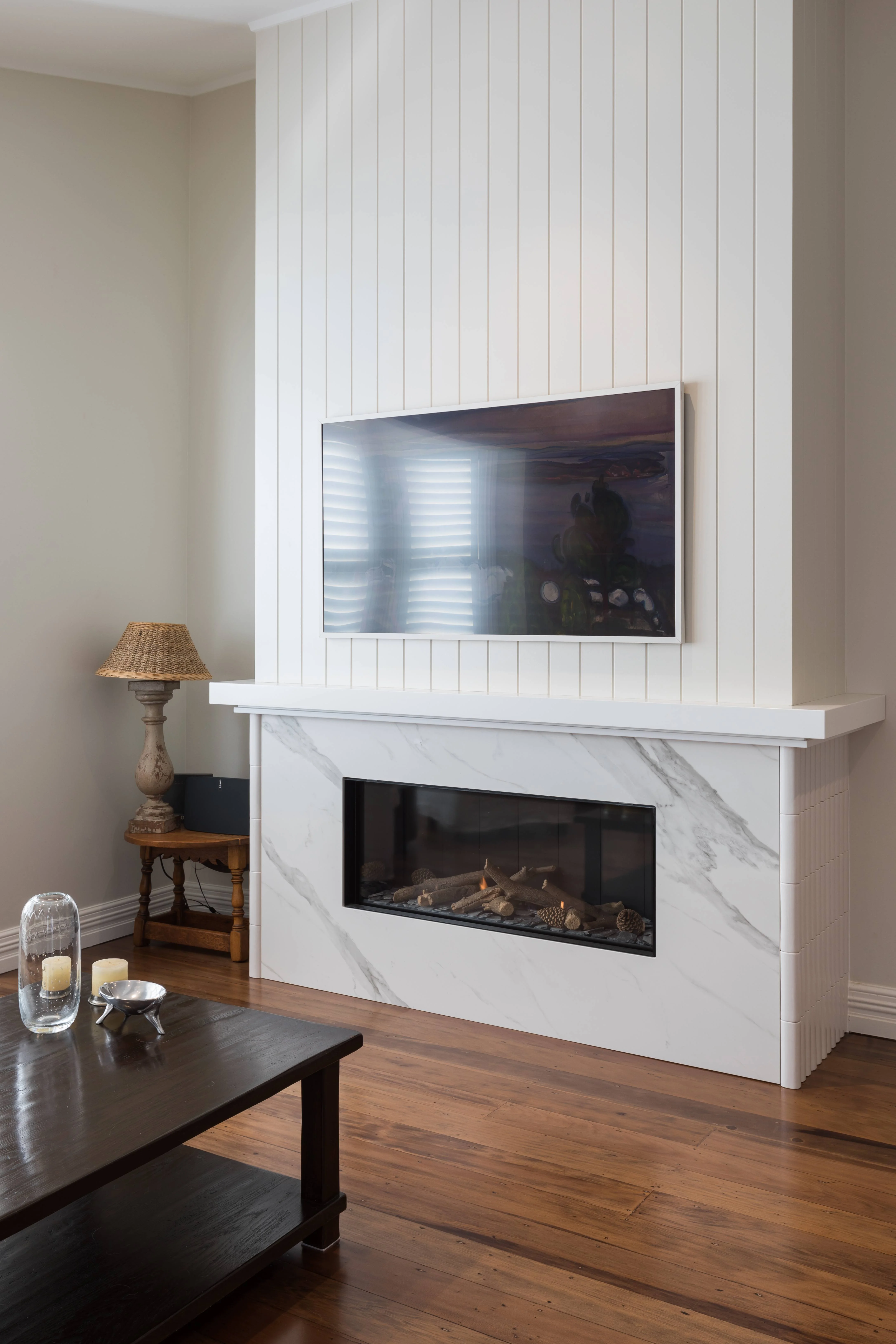
The living room remains the most natural home for a fireplace, but it is far from the only option. As open-plan living has become more prevalent in New Zealand homes, the fireplace has evolved to serve larger, more connected spaces. A double-sided fireplace, for instance, can serve both a kitchen-dining area and a lounge, creating warmth and visual interest from two directions simultaneously.
In kitchen design, a fireplace or a hearth-style feature can bring extraordinary character to a space that might otherwise feel purely functional. I have seen beautiful results in kitchen projects where a traditional range or a small fireplace becomes the centrepiece of the cooking and dining area, creating a kitchen that feels more like a living room than a workspace. The result is a space that families genuinely want to spend time in.
In larger open-plan environments, a fireplace can also serve as a spatial divider, defining zones within a flowing floor plan without the need for walls. A fireplace positioned on a low plinth or within a double-sided surround can separate a lounge from a dining area while keeping the space open and connected. These kinds of fireplace design ideas require careful planning from the outset, which is why it is always better to consider the fireplace at the beginning of a design process rather than as an afterthought.
The design principles that apply across kitchens, living rooms and complete interiors are consistent throughout my work. For a closer look at how these ideas come together in a premium Auckland home, I invite you to explore our project feature on Bespoke Kitchens – Remuera: Beautifully Designed Spaces for Auckland’s Most Discerning Homeowners.
Why Bespoke Fireplace Design Should Suit the Personality and Architecture of the Home
One of the things I feel most strongly about in my work is that good design must always be specific. A fireplace design that is breathtaking in a mid-century modern home in Herne Bay may feel entirely wrong in a Victorian villa in Ponsonby or a contemporary clifftop home in Queenstown. The architecture of the building, the period it belongs to and the personality of the people who live in it must all inform the design.
Bespoke fireplace design is not about selecting from a catalogue of options. It is about understanding what a particular room needs, what character it already carries, and how a fireplace can be designed to amplify that. This requires the kind of holistic thinking that comes from designing complete interiors rather than individual features in isolation.
When I work with clients on fireplace design ideas, I am thinking about the entire room at the same time. The fireplace is the starting point, but it is never the only consideration. How does the natural light move through the space during the day? Where do people naturally gravitate when they enter the room? What materials are already present in the flooring, joinery or furniture? All of these things inform the fireplace design, and the fireplace design informs all of them in return.
This is the value of working with a designer who approaches interiors as a complete discipline. The fireplace does not exist in isolation, and the best fireplace design ideas are always those that emerge from a thorough understanding of the space and the people who call it home. New Zealand’s Heritage New Zealand Pouhere Taonga offers useful context for homeowners working with heritage buildings, where fireplace restoration and design require particular sensitivity to the original architecture.
Frequently Asked Questions
What are the best fireplace design ideas for an open-plan New Zealand home?
For open-plan homes, the most effective fireplace design ideas typically involve double-sided fireplaces or centrally positioned features that can be enjoyed from multiple zones. Consider a fireplace that creates a natural boundary between the lounge and dining areas while keeping the space visually connected. Working with a designer from the outset ensures the fireplace is integrated into the spatial plan rather than added as an afterthought.
What materials work best for a fireplace surround in a bespoke interior?
The right material depends entirely on the style and architecture of your home. Natural stone such as marble, limestone or granite suits both contemporary and traditional interiors and brings a quality of permanence. Timber surrounds offer warmth and craftsmanship, while plaster and tile can each create a very different character. A bespoke approach means selecting the material that is right for your specific home rather than following a trend.
How do I use fireplace design ideas to create a strong focal point in my living room?
A strong focal point comes from proportion, materiality and what surrounds the fireplace. Ensure the scale of the surround is appropriate for the wall and room size. Design the area above the mantel thoughtfully, whether with artwork, a mirror or a carefully considered arrangement. Orient furniture to acknowledge the fireplace and use lighting to highlight the feature after dark.
Can fireplace design ideas work in a kitchen or dining space?
Absolutely. A fireplace or hearth-style feature in a kitchen or dining space creates extraordinary warmth and character, transforming the area into a room that feels genuinely inviting. Traditional ranges, open fires and statement chimneypieces all work beautifully in these spaces. The key is ensuring the fireplace is designed as part of the kitchen’s overall aesthetic rather than as a separate insertion.
How do I choose a fireplace design that suits the personality of my home?
Begin by looking at the architecture and period of your home, then consider your own lifestyle and the mood you want the room to create. A fireplace should feel inevitable in its setting, as though the room could not exist without it. Working with an experienced interior designer who thinks holistically about the whole space will help you arrive at fireplace design ideas that are truly specific to your home and family.
Final Thoughts: A Well-Designed Fireplace Makes a Room Feel Complete
After more than 27 years of designing homes across New Zealand, I remain convinced that a fireplace, when designed with genuine care and intention, is one of the most powerful things you can introduce into a living space. The best fireplace design ideas are not about grand gestures or expensive finishes for their own sake. They are about understanding what a room needs and giving it exactly that.
A well-resolved fireplace brings warmth, structure, atmosphere and personality to an interior in a way that very few other features can match. It gives a room a reason to exist, a place to gather and a feeling of being truly home. When the surround material is right, when the furniture responds to it, when the lighting honours it and when the colour wraps around it, the result is a room that feels not just designed, but genuinely alive.
If you are considering a fireplace as part of a broader interior project, whether that involves a new kitchen, a living room refresh or a complete home renovation, I would love to explore the possibilities with you. Every home is different, and every fireplace design should be too. Please do get in touch to begin the conversation.
Bespoke Kitchens by Joanne Godding Team